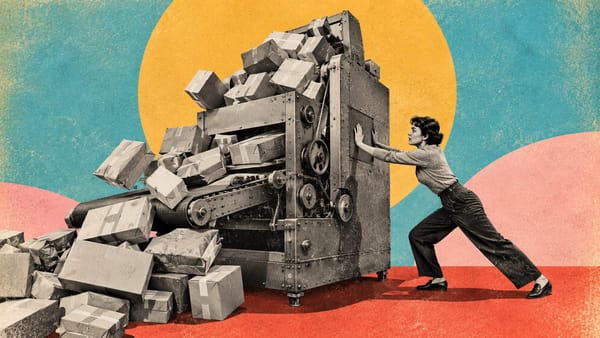
Maybe spending money should be a little harder
Friction-maxxing is having a moment. And it might actually be good for your finances.


Friction-maxxing is having a moment. And it might actually be good for your finances.
Product Updates
September 2026 Stowe Product Updates
Product Updates
Roundup of updates to Stowe in August 2026: snap your receipts, track grocery prices, get grocery spending insights, and bank connection health status.
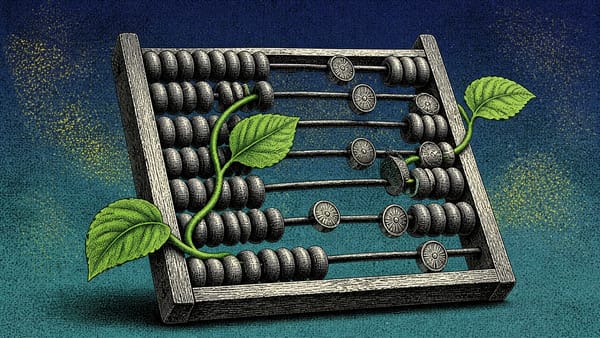
We break down some budgeting alternatives for those that find running a strict budget difficult to maintain.
Product Updates
July 2026 Stowe product updates
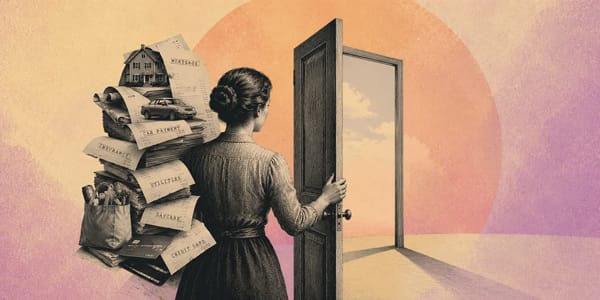
The costs that squeeze a household are rarely the ones people scrutinize. A better way to read your spending is to understand which ones are the hardest to change.
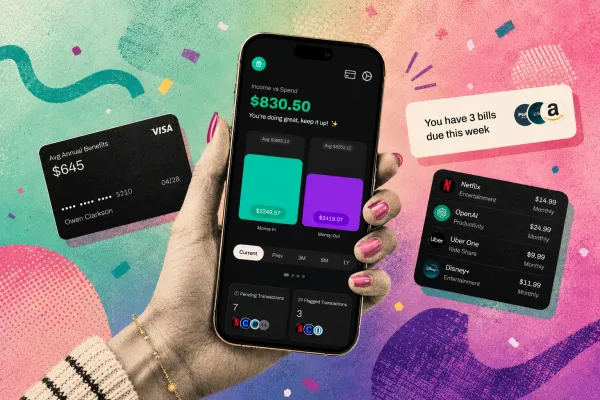
We all overpay on something. Maybe it's a streaming service you stopped using months ago that still bills you every month. Maybe it's the phone plan you've had for years and never once compared against a newer one. Or the internet bill that creeps
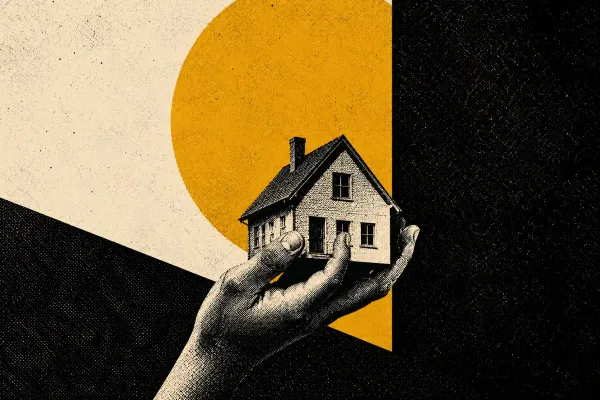
The median age of a first-time homebuyer in the U.S. has reached 40, up from 29 in the early 1980s, according to the National Association of Realtors. In Toronto and Vancouver, benchmark home prices are now eight to ten times the median household income. Much of the standard financial
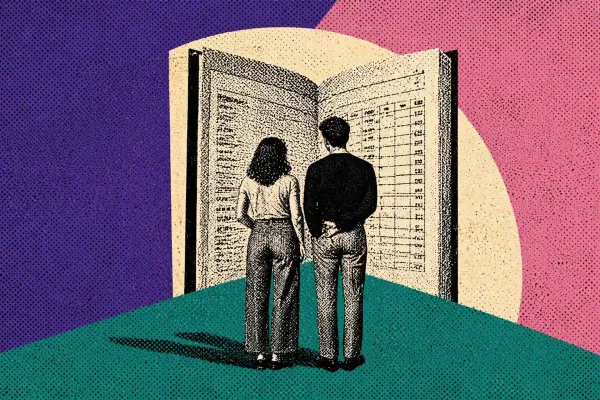
38% of American couples fully combine their finances, 42% have kept a financial secret from their partner, and the research on what actually works has little to do with budgets.
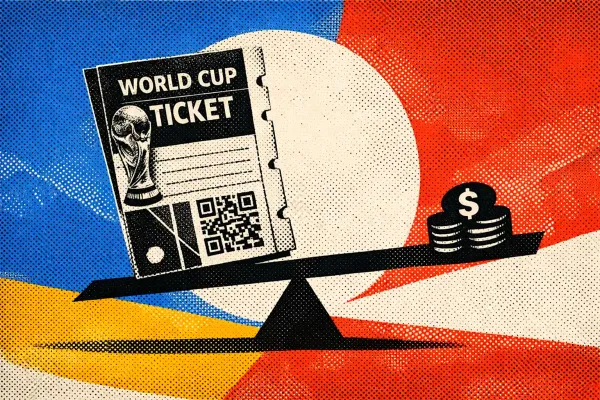
The 2026 FIFA World Cup kicks off on June 11 across 16 cities in the US, Canada, and Mexico. It's the first time the tournament has been held in North America since 1994, the first with 48 teams instead of 32, and the first where the price of
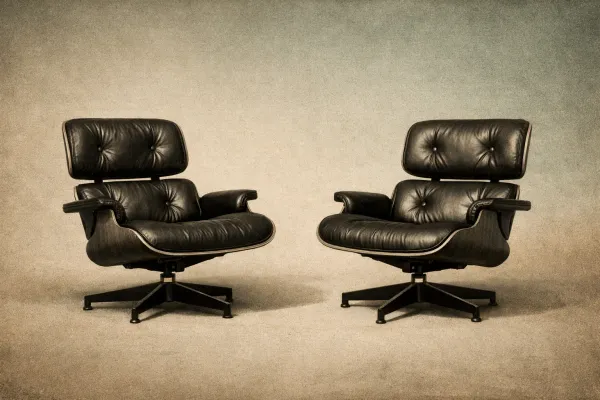
71% of Gen Z actively seeks dupes, entire platforms exist to find them, and the algorithms shaping what you see may be deciding what you want in the first place.
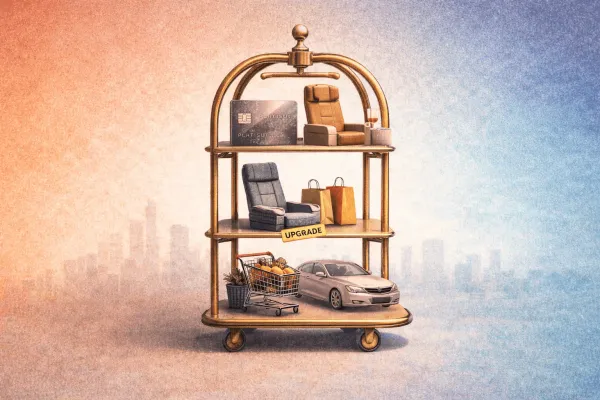
What happened to dollar deals at McDonald's? Why are premium cards like American Express getting pricier while the economy feels unstable? The answer lies in what economists now call the E-Shaped economy. Let me explain. In 2020, economists started calling the economy K-shaped. After the pandemic, one segment—