$60 to $50,000 a Seat: How FIFA Turned the World Cup Into the Biggest Dynamic Pricing Experiment on Earth

The 2026 FIFA World Cup kicks off on June 11 across 16 cities in the US, Canada, and Mexico. It's the first time the tournament has been held in North America since 1994, the first with 48 teams instead of 32, and the first where the price of your seat changes depending on when you try to buy it.
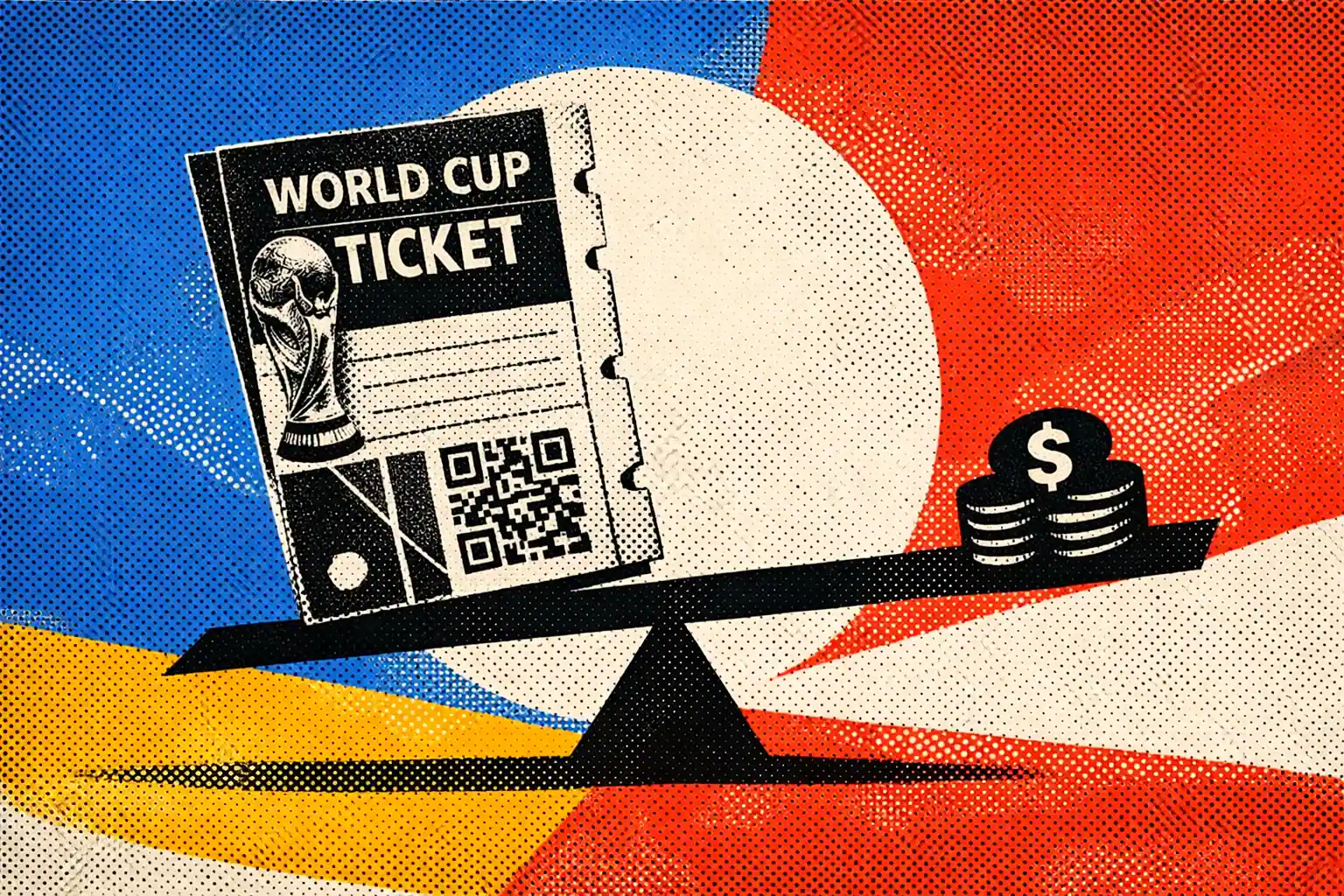
FIFA is using dynamic pricing for the first time in World Cup history. That means ticket prices move in real time based on demand, the same system that Ticketmaster used for Oasis and Bruce Springsteen tours — both of which triggered public outrage when fans saw prices jump from face value to several thousand dollars mid-checkout. FIFA is now running that same model across 104 matches in 16 stadiums, with over 6 million tickets in play.
The official price range
On paper, the cheapest group-stage ticket starts at $60. The most expensive seat for the Final at MetLife Stadium is listed at $10,990. That top number was raised from $8,680 during a glitch-filled sales reopening in early April, which itself caused its own set of problems. Fans were routed to the wrong queues, some waited over 90 minutes, and others reached the front of the line only to find their selected matches were sold out.
For context, the most expensive ticket to the 2022 World Cup Final in Qatar was about $1,600. Group-stage seats in Qatar started at $105. We're looking at an increase of roughly 7x in 4 years.
FIFA says the dynamic model exists to keep prices close to market value and reduce the incentive for scalping. The logic is that if FIFA captures the markup, there's less margin for resellers to exploit. Whether that's working is debatable.
Resale pricing and FIFA's cut
On resale platforms like StubHub and SeatGeek, World Cup tickets are already trading at 4 to 6 times face value for most matches. Tickets to the Final have been listed above $50,000. Even group-stage matches involving the most popular teams are running into the thousands.
FIFA runs its own official resale platform, but the structure is a little unusual. It charges a 15% fee to the seller and a 15% fee to the buyer. That means if you sell a $500 ticket through FIFA's own system, the buyer pays $575 and you receive $425. FIFA ends up with $150 on a single transaction it didn't originally set the price for. For comparison, StubHub's standard fee is around 15% total, split between buyer and seller.
The organization also dropped price caps for matches held in the US and Canada, arguing that caps would push sellers toward third-party platforms where FIFA has no oversight.
Demand and hospitality
As expected, there's no shortage of demand for these seats. FIFA received over 500 million ticket requests during its third lottery sales phase alone. Nearly 75% of the 104 matches have received at least 1 million ticket requests each. FIFA president Gianni Infantino has said every match "will be sold out."
So far, about 3 million of the 6 million available tickets have been sold through official channels. The final sales phase, which opened April 1 on a first come, first served basis, will continue until the tournament starts.
For fans who want something beyond a seat, hospitality packages start at about $1,300 per match and go up from there. Private suites begin around $43,200 for a single match. Full private boxes for the tournament series exceed $100,000. FIFA's total revenue for the 2022 Qatar World Cup was $7.57 billion. For 2026, the organization expects to clear $11 billion.
Dynamic pricing at this scale
The backlash to dynamic pricing in live events has been well documented. When Bruce Springsteen's E-Street Band tour went on sale, and fans encountered tickets over $5,000, the community site Backstreets, which had covered Springsteen for decades, shut down, citing the impossibility of championing an artist whose fans were being priced out. When Oasis reunion tickets jumped from £135 to £355 during checkout, the band publicly distanced itself from the model, blaming promoters and management.
The World Cup is a different animal. A concert tour might have 20 or 30 dates, and dynamic pricing gets applied to each one individually. The World Cup has 104 matches across three countries over a month, all running on the same pricing engine simultaneously. And unlike a concert, the value of a World Cup ticket keeps changing after you buy it. A group-stage seat that cost $200 in December could be worth $800 by June if a team like Argentina or Brazil ends up in that slot. The bracket matchups, the qualifiers, the injuries, the upsets during group play: all of it moves secondary market prices.
How to actually navigate it
If you're trying to attend a match without spending several thousand dollars, a few things are worth knowing. The final sales phase is live now on FIFA.com and runs until June 11. Group-stage matches in smaller-market cities still have inventory at closer to face value. If you're flexible on which match you attend, prices drop significantly once you move away from marquee matchups and knockout rounds.
On the resale side, FIFA's official platform is the safest option, but comes with that 30% combined fee. StubHub and SeatGeek will likely have more inventory, but FIFA has warned that tickets purchased through unauthorized resellers may be voided at the gate. Prices on secondary platforms also tend to soften in the final 48 to 72 hours before a match as sellers try to unload inventory, though this is less predictable for high-demand games.
The cheapest path is almost certainly showing up in a host city without a ticket and watching from an official fan zone, which FIFA is building in every host city at no cost. It's not the same as being in the stadium, but it may be the most honest version of the experience, and you'll get to experience it with other fans.
Where this leaves the soccer (football) fan
FIFA's public case for dynamic pricing is that it protects fans from scalpers. If the organization captures the markup, scalpers have nothing left to work with. That argument would make more sense if FIFA hadn't also removed the price caps on its own platform, raised the top Final ticket from $8,680 to $10,990 mid-sale, and built a resale marketplace that charges both 15% to the buyer and seller.
The broader pattern here isn't unique to soccer. From concerts to airlines to hotel rooms, dynamic pricing has become the default way experiences are distributed. The promise is always the same: fairness, transparency, market efficiency. But the outcome tends to look the same too, with the people willing to pay the most getting first dibs, and everyone else left watching as the price continues to move further out of reach.